Earth Surface Dynamics – Physical Geography K Van Oost Lab

Projects

TropSEDs field research in the Kasai Basin
TROPICAL SOIL EROSION DYNAMICS

TropSEDs

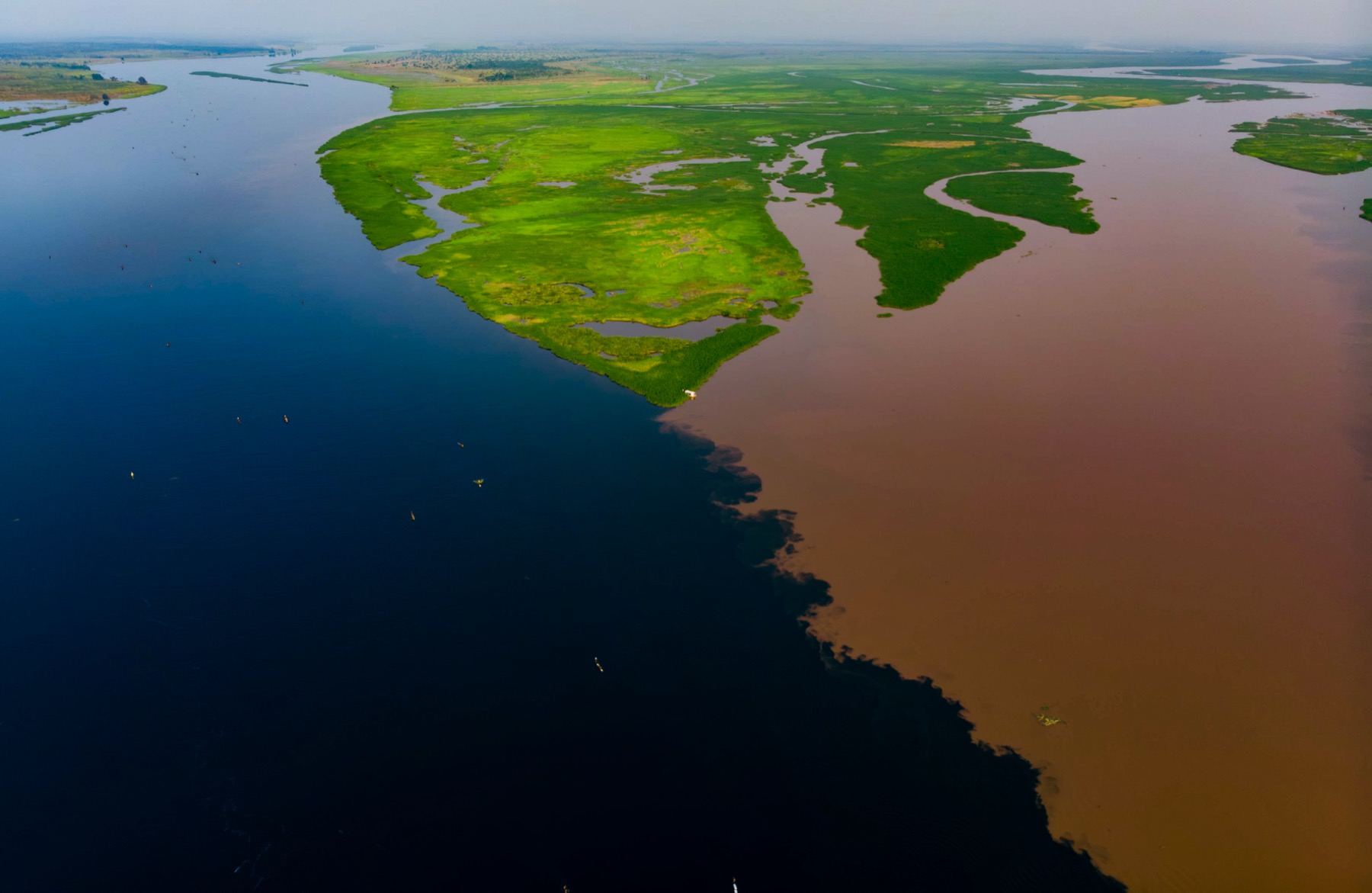
TropSEDs investigates how climate and land use control the erosional transfer of organic carbon from source to sink in the Kasaï River Basin.

Soil organic carbon mobilized by deforestation, agriculture and intense rainfall can be transferred from upland soils into rivers and floodplains. During transport it may be transformed, buried in sediments or returned to the atmosphere as CO₂.

The project combines geomorphology, soil and sediment biogeochemistry, isotope methods, extensive field campaigns and modelling to follow this carbon pathway through the landscape. It investigates both contemporary processes and environmental change over approximately the past 6,000 years.

Visit TropSEDs →
LandSense project
CRITICAL ZONE DYNAMICS

LandSense — Temperate Peatlands

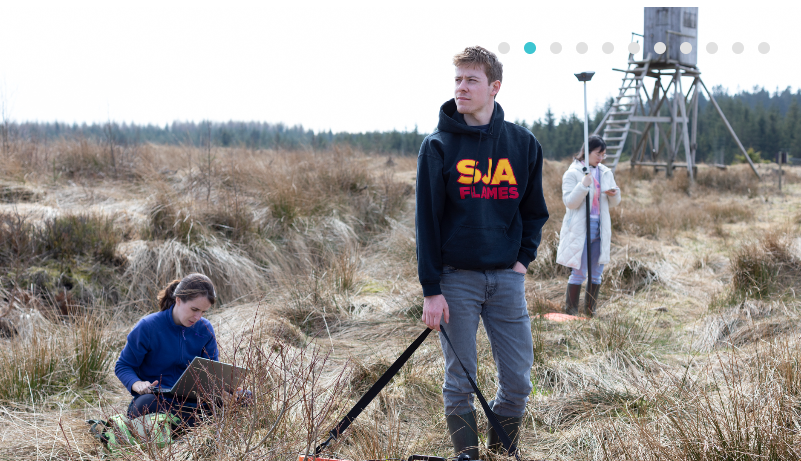
LandSense investigates how hydrology controls carbon and nutrient fluxes within coupled hillslope–floodplain systems.

The project combines proximal sensing, geophysical observations, field measurements and smart modelling to understand how water, soils, vegetation and biogeochemical processes interact within the Critical Zone.

Particular attention is given to spatial and temporal variability: environmental sensing provides continuous observations while targeted field measurements reveal the processes responsible for the observed patterns.

LandSense brings together expertise in geomorphology, hydrology, soil biogeochemistry, geophysics, remote sensing and environmental modelling across the Earth & Life Institute at UCLouvain.

Visit LandSense →
TerrACE project
TERRACE ARCHAEOLOGY AND CULTURE IN EUROPE

TerrACE

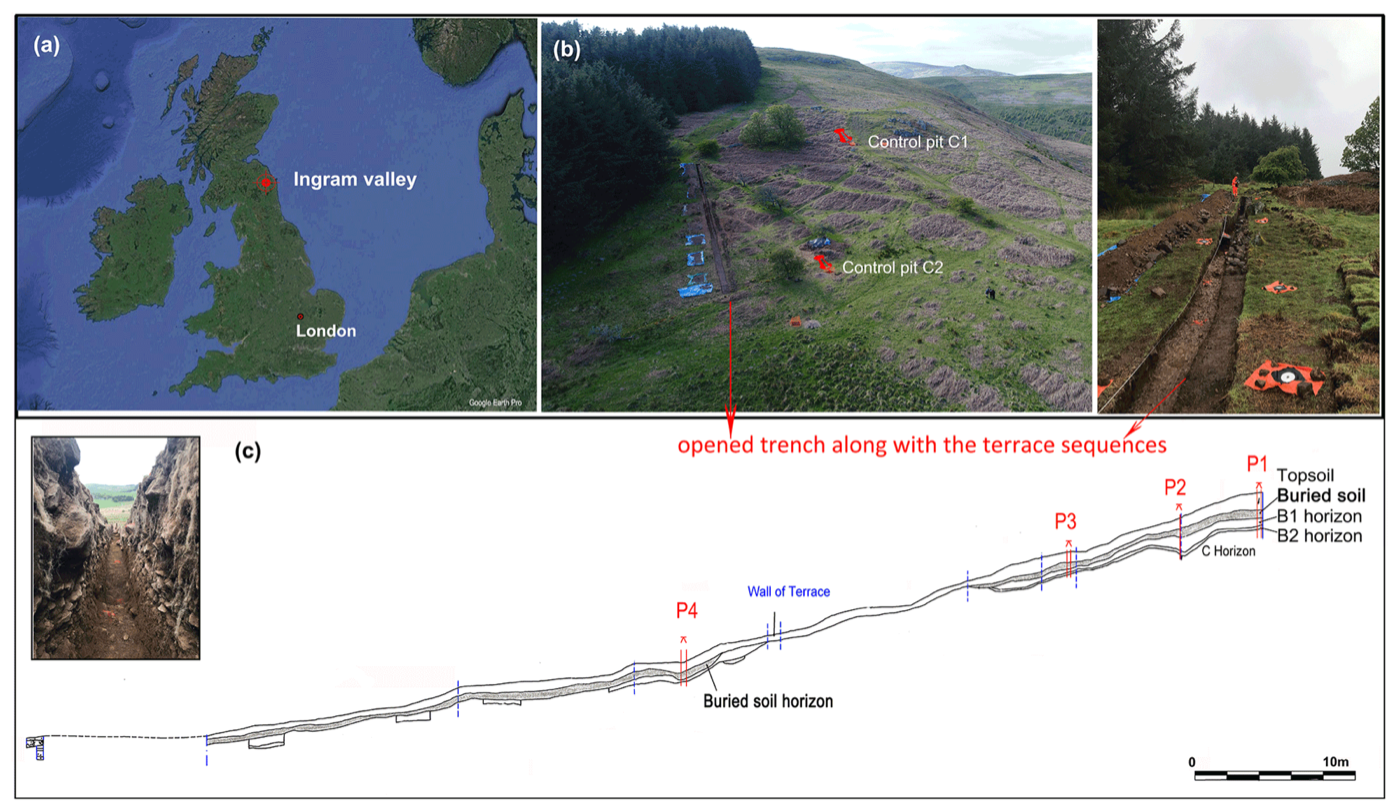
TerrACE investigates the origins, development and environmental role of agricultural terraces across Europe.

Agricultural terraces and lynchets are engineered landscapes that have shaped European hillslopes for centuries or millennia, yet their history and environmental functioning remain surprisingly poorly understood.

The project combines landscape archaeology, geomorphology, sediment dating and palaeoecology to determine when terraces were created, how they were used, which crops were cultivated and why some terrace systems were eventually abandoned.

Our contribution focuses particularly on soil development, geomorphic redistribution and the stabilization and cycling of organic carbon within long-lived terraced soils.

Visit TerrACE →
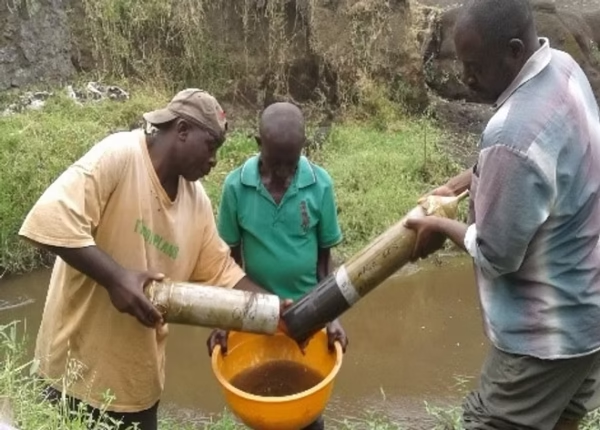
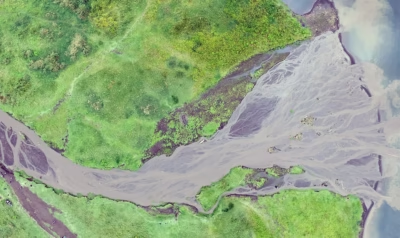
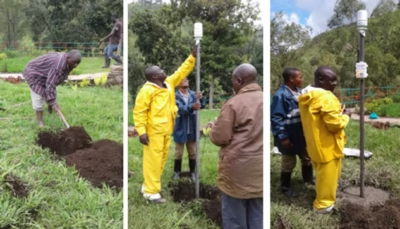
Suspended sediment sampling in the Lake Kivu region Landscape and erosion in the Lake Kivu region Installation of a weather station in the Lake Kivu region
EROSION · LAND USE · SEDIMENT TRANSFER

Human Impact on Sediment Flows in the Lake Kivu Region

This project investigates how human activities and rainfall control soil erosion and sediment transfer in the steep, densely populated landscapes surrounding Lake Kivu.

The study spans the western and eastern parts of the Lake Kivu region, including the DRC and Rwanda. Agriculture, mining, construction and vegetation loss can strongly disturb watersheds and accelerate erosion, while intense tropical rainfall mobilizes sediment from steep and fragile hillslopes.

Field observations are combined with rainfall data and erosion modelling to quantify rainfall erosivity and its spatial variability. River monitoring provides direct measurements of suspended-sediment concentrations and transport towards Lake Kivu.

Repeated water and sediment sampling, together with monitoring instruments and geochemical analyses, is used to investigate the sources, composition and temporal variability of fine sediment transported through the river network.

Full project information →
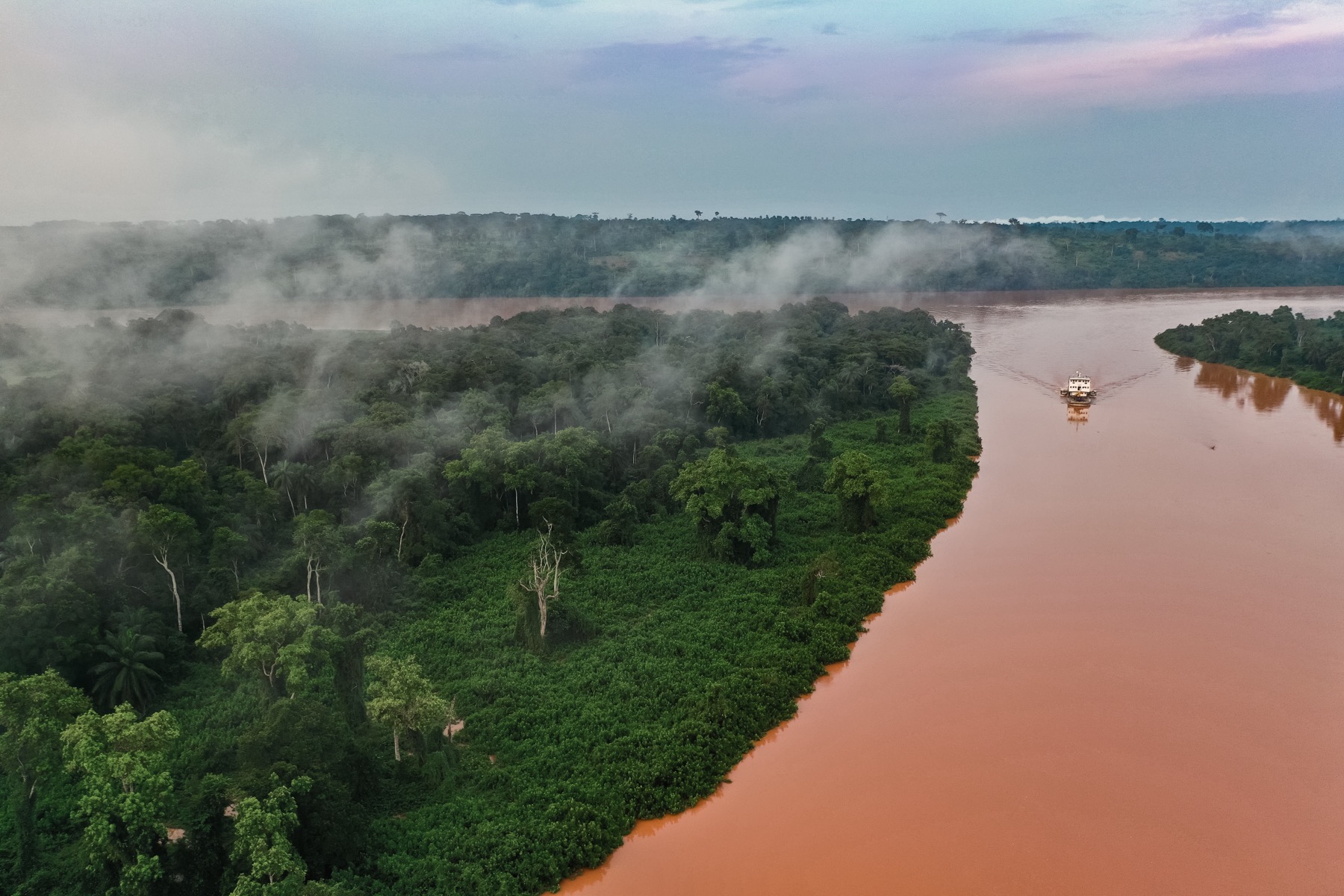
Tropical forest landscape in the Congo Basin
CONGO BIOGEOCHEMISTRY

FORSEDCO

FORSEDCO investigates carbon, nitrogen and phosphorus cycling and their export from tropical forest landscapes in the Congo Basin.

The work examines how geomorphic, hydrological and biological processes regulate the transfer of particulate and dissolved material from soils to streams and rivers.

These studies have helped reveal the importance of event-driven sediment and nutrient export even from apparently stable tropical forest landscapes, highlighting lateral fluxes that are often missing from ecosystem nutrient budgets.

The project forms part of the broader Congo Biogeochemistry Observatory, an international collaboration studying carbon, nutrient and greenhouse-gas cycling across tropical Africa.

Congo Biogeochemistry Observatory →
Funding & institutional partners
BFG European Union Swiss National Science Foundation FNRS European Research Council UCLouvain Fédération Wallonie-Bruxelles BELSPO ARES