

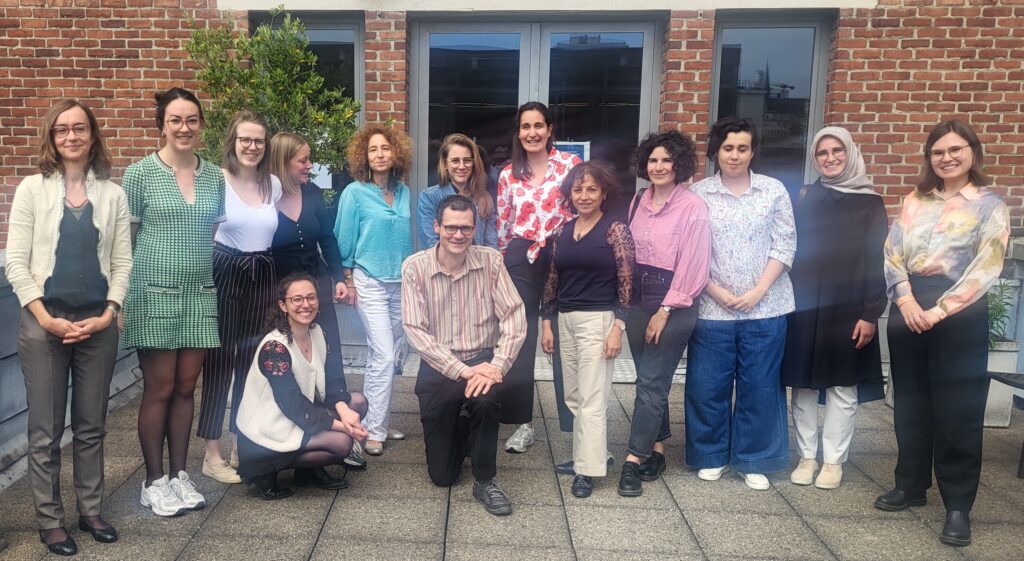
On Monday, 15th of June 2026, we held our first conference as part of the CLAIM project, on Climate Litigation Databases. The event provided an excellent opportunity for our team to reflect alongside three brilliant experts: Prof. Aoife Daly, Liesl Müller, and Prof. Corina Heri, on the aims and added value of these types of databases, as well as their potential to become more inclusive and transformative tools.
The morning started with a panel discussion focusing on a project on Youth in Climate Juctice, coordinated by Prof. Aoife Daly and Liesl Müller at University College Cork. They explained how their database captures and highlights the involvement of youth in climate litigation. To provide a more holistic and accessible overview, they translated case information into several languages, complemented the data with interviews, social media content, online reports, and included ‘easy-read’ summaries of the cases. These summaries were designed to be accessible and were developed in consultation with an advisory committee composed of 12 children. This approach was very inspiring for the CLAIM project, which aims to incorporate marginalised actors’ actions and perspectives into a climate change litigation database through a collaborative approach.
Prof. Corina Heri participated in a second panel, presenting the Climate and Human Rights Litigation Database developed by the University of Zurich. She outlined the database’s conceptual and methodological framework and reflected on its transformative and outreach potential. Notably, the team worked to make summaries more accessible and collaborated with paid student rapporteurs in Africa to expand territorial coverage. They sought to highlight the breadth of claims, even those that are not successful, to draw attention to the palette of vulnerabilities, including if necessary, information outside the case documents such as press releases and statements by the litigants. Recognising that keywords and search functionalities can hinder power dynamics, their team also discussed and reflected on including specific keywords, such as ‘gender’, ‘women-led’ or ‘environmental racism’.
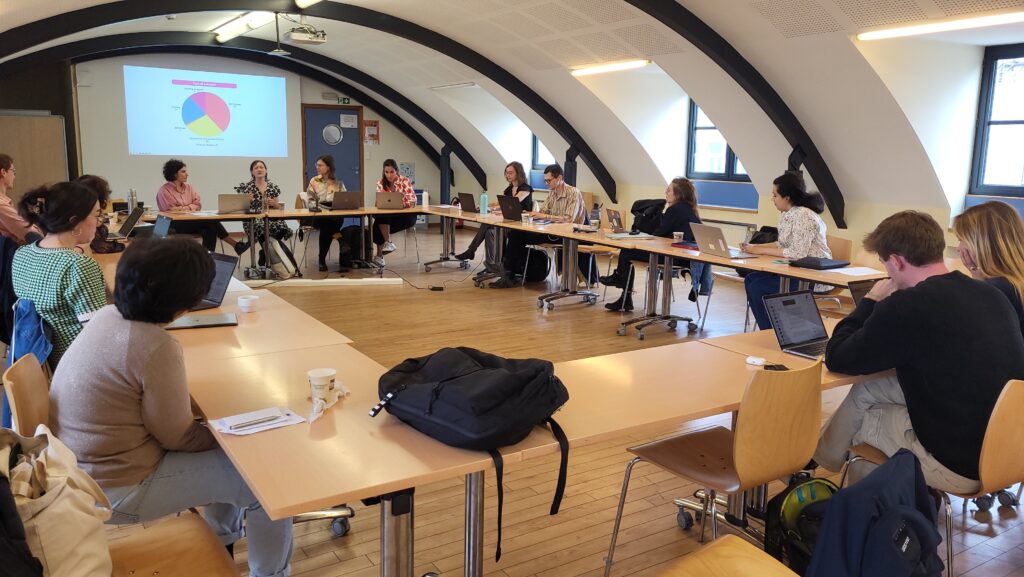
While this work remains a work in progress, it underscores the importance of being aware of the arbitrations and choices shaping categorisation and embedded in databases; and the need for ongoing team discussions to find creative ways to overcome colonial narratives and foreground the perspectives of marginalised actors.
Finally, the three experts emphasised the potential of these databases to identify trends, provide a big-picture view, and foster future research. They also highlighted their usefulness in reaching out to grassroots actors and strengthening litigation efforts. These objectives align with the CLAIM project’s goal of designing a database that makes marginalised actors’ experiences of climate change and litigation practices visible, fostering transformative change.
We look forward to continuing these discussions and exploring future collaborations. Stay tuned for more events and updates on the new climate change litigation database!
Leave a Reply